Comprehending the Importance of Damp Proofing in Preventing Structural Damages
Damp proofing acts as a crucial protection against dampness infiltration in buildings. This protective action can prevent considerable structural damages, yet many residential or commercial property owners continue to be unaware of its value. Recognizing the signs of moisture and understanding the different remedies readily available can be crucial. Nevertheless, overlooking moist proofing can lead to serious effects. What are the certain threats and remedies that homeowner should think about?
What Perspires Proofing and Just How Does It Work?
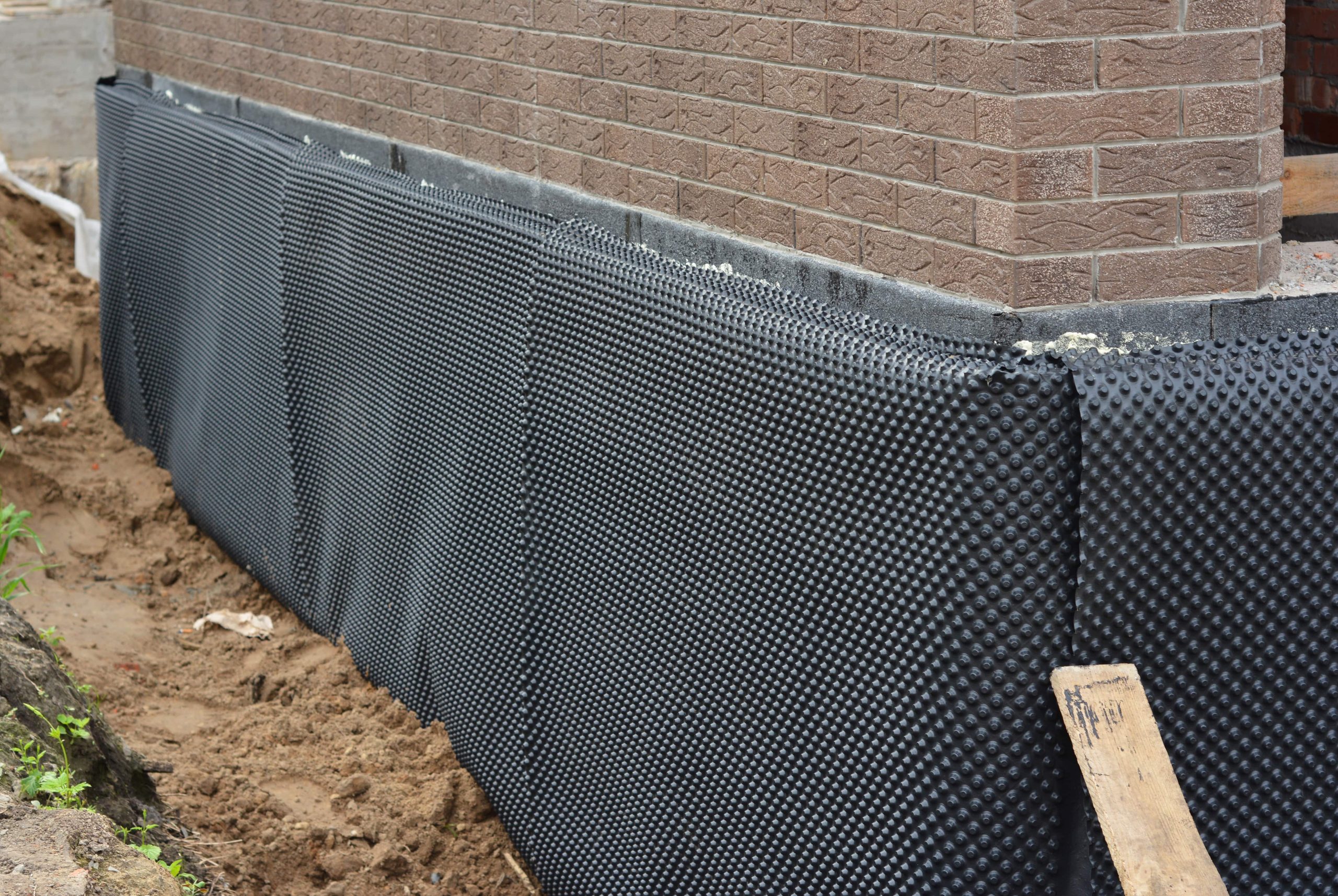
Wet proofing functions as a necessary obstacle against moisture intrusion in structures. mould removal newcastle. This process includes applying specific materials and techniques to stop water from penetrating wall surfaces, floors, and various other structural elements. Typically, damp proofing can be attained through the installment of wet proof membranes, finishes, or using specialized sealants.These methods work by producing a safety layer that hinders moisture activity, ensuring that the interior environment remains completely dry and healthy. Damp proofing is especially crucial in locations prone to high humidity or groundwater, as it helps preserve the integrity of the framework over time.Moreover, efficient damp proofing adds to power effectiveness by stopping heat loss related to damp environments. By dealing with potential moisture issues prior to they rise, damp proofing functions as a proactive procedure in protecting buildings from the destructive impacts of water damage, ultimately prolonging their lifespan and keeping their value
Typical Indicators of Wetness in a Structure
Dampness problems within a structure can manifest with several obvious indications that indicate the visibility of moisture. One popular indicator is the appearance of water discolorations on ceilings or walls, which usually shows moisture seepage. Additionally, peeling or bubbling paint can suggest that excess moisture is caught underneath the surface area, bring about damage. One more typical indicator is the presence of mold and mildew and mold, which thrive in damp problems and can frequently be recognized by their mildewy odor. Furthermore, an increase in moisture degrees can create condensation on windows and other surfaces, highlighting wetness troubles. Deformed or unequal floor covering might signify underlying wetness that jeopardizes architectural honesty. Recognizing these indications early can assist minimize possible damages and maintain a secure living environment. Routine inspections and timely activity are important in attending to wetness issues prior to they rise.
The Threats of Disregarding Damp Proofing
Ignoring wet proofing can lead to significant risks to a building's architectural integrity, as moisture buildup may compromise foundations and wall surfaces. In addition, extended moisture produces a setting for mold development, posing severe health and wellness risks to occupants. Resolving these risks is vital for guaranteeing both safety and long life of the residential property.
Architectural Stability Threats
They reveal their buildings to substantial structural stability threats when house owners forget the value of efficient wet proofing. Extended moisture seepage can result in the advancement of mold and mildew, which damages foundational components and can compromise total stability. Furthermore, excess wetness can erode concrete and brickwork, leading to cracks and structural failings. Timber elements are particularly vulnerable; they can rot and lose load-bearing capability, positioning severe threats to the structure's structure. Furthermore, unattended damp conditions may bring in insects, such as termites, which better aggravate structural deterioration. Eventually, ignoring moist proofing steps can bring about pricey fixings and possible security threats, emphasizing the essential role of aggressive moist administration in preserving the integrity of properties.
Carcinogen Problems
Exactly how can a relatively small oversight result in major health and wellness threats? Ignoring wet proofing can develop an atmosphere for mold and mildew development, which postures significant wellness dangers. Mold and mildew spores can set off allergies, breathing issues, and other health complications, particularly in at risk populaces such as kids, the elderly, and people with pre-existing conditions. Furthermore, persistent wetness can draw in pests like bugs and rats, which bring conditions that even more compromise health. The visibility of dampness also adds to a decrease in interior air high quality, intensifying bronchial asthma and other respiratory ailments. The failure to address wet concerns not only intimidates architectural stability yet also threatens the health of passengers, highlighting the important requirement for reliable wet proofing procedures.
Different Sorts Of Damp Proofing Solutions
Although different aspects can add to damp problems in structures, picking the ideal damp proofing service is crucial for protecting architectural stability. A number of choices are offered, each tailored to details conditions.One typical option is a damp-proof membrane (DPM), typically made of polyethylene or asphalt, which is set up in wall surfaces and floors to stop moisture ingress. An additional alternative is damp-proof programs (DPC), which are layers of water-proof product put within walls to block increasing damp.Chemical damp proofing entails infusing waterproofing chemicals right into walls to develop an obstacle versus wetness. Furthermore, external therapies such as tanking, which involves applying a waterproof layer to the outside of structures, can be effective in protecting against water penetration.Each remedy has its advantages and is picked based on the building's specific concerns, ecological problems, and long-lasting upkeep considerations, ensuring optimal defense versus damp-related damage.

The Cost of Damp Damage vs. Prevention
Understanding the economic ramifications of moist damage compared to prevention highlights the value of positive procedures. The expenses connected with moist damages can be significant, consisting of repairs to structural aspects, mold remediation, and potential health-related expenditures. Homeowners may face substantial economic stress if considerable damages occurs, resulting in increased insurance policy costs and lost residential property value.In comparison, buying moist proofing solutions is normally even more affordable. Preliminary expenditures for avoidance approaches, such as enhancing or mounting damp-proof membranes drainage systems, are frequently exceeded by the long-term financial savings from avoiding pricey fixings. Additionally, preventing wet issues can boost a home's overall worth and charm, making it a wise financial investment. When assessing the cost of moist damage versus prevention, it becomes clear that taking aggressive actions can safeguard economic rate of interests and preserve the honesty of the residential or commercial property over time.
Choosing the Right Damp Proofing Approach for Your Property
Which moist proofing technique is most ideal for a certain home typically depends on various aspects, consisting of the structure's age, existing moisture concerns, and regional ecological problems. For older frameworks, typical techniques such as bitumen membranes or cementitious finishes may be more efficient, as they can offer a robust obstacle versus increasing damp. On the other hand, newer structures may benefit from modern-day remedies like infused damp-proof training courses, which are much less intrusive and can be customized to certain dampness challenges.Additionally, properties in locations with high water tables or hefty rainfall might call for advanced techniques, such as cavity wall surface drain systems or external waterproofing. Home owners must also take into consideration the specific products utilized in their structure's construction, as some approaches may not be compatible. Eventually, a detailed evaluation by a specialist can lead homeowner in picking the most effective damp proofing approach customized to their unique circumstances.
Keeping Your Damp Proofing System Gradually
Regular maintenance of a moist proofing system is essential for guaranteeing its lasting effectiveness and protecting a property from moisture-related damage. Home proprietors should carry out regular examinations to identify any indications of wear or compromise in the damp proofing layer. This consists of monitoring for splits, peeling off paint, or mold development, which may suggest moisture intrusion.Additionally, it is advisable to tidy rain gutters and downspouts routinely to stop water buildup around the structure. Reapplying membranes or sealants may be needed if damage is observed.Engaging expert services for regular analyses can even more improve the sturdiness of the system. These specialists can give insights right into potential susceptabilities and advise timely repairs.
Often Asked Inquiries
Just How Lengthy Does Damp Proofing Therapy Last Before Requiring Repairs?
The durability of moist proofing therapy generally varies from 10 to thirty years, depending upon variables such as the approach used, ecological problems, and maintenance methods. Regular assessments can aid identify when fixings may be required.
Is DIY Damp Proofing Effective Contrasted to Specialist Providers?
The effectiveness of DIY damp proofing differs substantially. mould treatment newcastle. While some individuals may attain satisfying results, professional solutions typically ensure detailed options, leveraging expertise and quality products to stop future issues extra accurately than many DIY efforts
Can Damp Proofing Improve Indoor Air Quality?
The concern of whether damp proofing can enhance indoor air high quality arises often. Reliable damp proofing decreases moisture levels, thereby lessening mold and mildew development and allergens, inevitably contributing to click here a healthier indoor environment for occupants.
Exist Certain Rules for Damp Proofing in Different Areas?
Rules for moist proofing vary by region, usually affected by local building regulations and environmental problems. Compliance warranties reliable moisture control, safeguarding frameworks and promoting security, which highlights the necessity for adherence to these certain policies.
What Are the Long-Term Perks of Correct Damp Proofing?
The long-term advantages of appropriate moist proofing include boosted architectural stability, decreased upkeep costs, enhanced interior air top quality, and boosted home worth. These advantages add to a healthier living atmosphere and prolonged life expectancy of structures. Typically, damp proofing can be achieved via the setup of damp evidence membranes, layers, or the usage of specialized sealants.These approaches work by creating a safety layer that inhibits moisture activity, ensuring that the indoor atmosphere remains healthy and balanced and completely dry. Damp proofing is particularly vital in areas prone to high moisture or groundwater, as it aids keep the honesty of the framework over time.Moreover, effective moist proofing adds to energy efficiency by preventing heat loss linked with damp environments. Disregarding damp proofing can lead to significant dangers to a structure's architectural stability, as wetness accumulation might compromise walls and structures (mould treatment newcastle). Different variables can add to damp issues in structures, picking the proper moist proofing remedy is essential for maintaining structural honesty. Which damp proofing approach is most ideal for a certain residential property often depends on various factors, including the structure's age, existing dampness concerns, and regional environmental conditions